
When hiring a junk removal company, many customers wonder what happens after unwanted items are loaded onto the truck. Junk Removal can involve more than simply carrying furniture, appliances, boxes, or other unwanted materials away. Depending on the company and the service agreement, the crew may also perform basic cleanup in the area where the items were collected.
Knowing what cleanup is included can help customers prepare for an appointment and understand what to expect when the hauling work is finished. Cleanup may involve picking up loose debris, sweeping the immediate collection area, or making sure no obvious pieces of rubbish are left behind. However, the exact level of cleanup can vary depending on the company, the type of materials being removed, and the condition of the property. Understanding these details before scheduling service can help prevent confusion and make the removal process easier.
What Does Cleanup After Hauling Usually Mean?
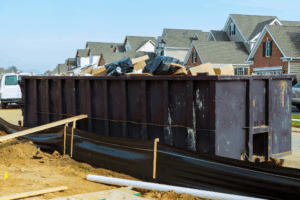
Cleanup after hauling generally refers to leaving the immediate work area reasonably clear once unwanted items have been removed. During a removal job, small pieces of debris, dust, cardboard, packaging, or other loose materials can sometimes remain around the location where larger items were stored.
Basic cleanup may involve collecting loose pieces that are directly related to the removal work. A crew may also sweep an accessible area after moving furniture or other bulky objects. The purpose is usually to leave the collection area in a more orderly condition than it was during the loading process.
The type of cleanup depends on the circumstances of the job. Removing a single couch from a living room may require very little cleanup, while clearing a garage filled with miscellaneous items could create more loose debris. Outdoor removals can also involve different conditions, particularly when materials have been exposed to weather or vegetation.
Customers should remember that basic post-hauling cleanup is different from a dedicated cleaning service. A hauling crew is primarily responsible for removing unwanted materials. Deep cleaning, stain removal, pressure washing, demolition cleanup, or extensive property restoration may require a separate service.
Why Cleanup Matters After Removing Large Items
Large unwanted items can hide dirt, dust, small pieces of debris, and other materials underneath or behind them. Once a sofa, appliance, cabinet, or pile of boxes is removed, the condition of the floor or surrounding area may become more visible.
Basic cleanup can make the area easier to use after the removal is completed. For example, clearing loose debris from a garage can make it easier for a homeowner to organize the remaining belongings. Removing small pieces left around a collection area can also make the space look more orderly.
Cleanup is particularly useful when several large objects are being removed at once. Moving multiple items can disturb dust and small debris, especially in garages, storage areas, basements, attics, and outdoor spaces. A quick sweep or collection of loose materials can help finish the hauling portion of the project.
However, cleanup should not automatically be considered a full cleaning service. A customer may still need to perform additional cleaning depending on the condition of the space. Dirt that existed before the removal, stains underneath furniture, or accumulated dust may not be part of a standard hauling appointment.
Does Cleanup Depend on the Type of Junk Being Removed?
The type and quantity of material being removed can affect the cleanup required after hauling. Furniture, appliances, household items, yard debris, construction materials, and general rubbish can create different conditions during the removal process.
Furniture removals may leave dust or small debris behind, especially when large pieces have remained in one location for a long time. Moving items through hallways and doorways can also disturb dirt that was already present. Basic cleanup may help address loose debris created during the moving process.
Yard waste can present different challenges. Leaves, branches, grass clippings, and other outdoor materials may scatter during loading. Weather conditions can also affect the work area. A removal crew may collect loose material directly associated with the hauling job, but customers should confirm what outdoor cleanup is included.
Construction and renovation debris may require additional consideration. Materials such as broken drywall, wood pieces, packaging, or other renovation waste can produce significant amounts of dust and small debris. Depending on the scope of the work, customers may need a specialized cleanup service in addition to hauling.
The condition and accessibility of the property can also matter. A tightly packed garage may require more movement than an open driveway, while a basement may have different access requirements.
Because every removal job is different, customers should provide accurate information when requesting service. Describing the items, approximate quantity, and collection location allows the company to explain what removal and cleanup services may apply.
What Cleanup Is Usually Not Included?
Basic post-hauling cleanup should not be confused with deep cleaning or property restoration. A hauling company may remove unwanted materials and handle loose debris created by the removal, but other types of cleaning may fall outside the scope of the service.
For example, customers should not automatically expect a hauling crew to scrub floors, wash walls, clean windows, remove stains, disinfect surfaces, or perform extensive pressure washing. These tasks require different equipment, materials, and procedures than ordinary hauling.
Likewise, significant debris that existed before the removal may require separate attention. If a garage has accumulated dirt and debris for years, removing several large items may reveal areas that still need to be cleaned. The removal itself does not necessarily mean the entire space will be restored to a clean condition.
Property damage is another separate issue. If an old appliance has leaked, furniture has caused floor damage, or materials have left stains, customers may need another professional to address those problems. A hauling crew generally focuses on removing the unwanted items rather than repairing surfaces.
The safest way to understand what is included is to ask before booking. Customers can ask whether sweeping is provided, whether loose debris is collected, and whether additional cleaning carries a separate charge.
How Customers Can Prepare for Post-Hauling Cleanup
Customers can make the removal process easier by preparing the collection area before the crew arrives. When possible, items should be identified clearly so the workers know which belongings are intended for removal and which should remain.
Creating a clear path to the items can also help. Removing obstacles from hallways, driveways, garages, or other access points may make it easier for workers to carry large objects safely. Customers should also communicate any access limitations before the appointment.
It can be helpful to separate items that require special attention from ordinary household junk. Electronics, appliances, large furniture, yard materials, and renovation debris may have different handling requirements. Providing accurate information in advance gives the company an opportunity to explain whether those materials can be accepted.
Customers should also decide what level of cleanup they expect. If basic sweeping or collection of loose debris is important, that request should be discussed before the work begins. Written estimates or service descriptions may also clarify what is included.
After hauling is completed, customers can inspect the immediate work area. This provides an opportunity to identify any loose materials that may have been overlooked during loading. If additional cleaning is necessary, the customer can determine whether to handle it personally or arrange a separate cleaning service.
What Should You Ask a Junk Removal Company About Cleanup?
Before scheduling a removal appointment, customers should ask specific questions about what happens after the items are hauled away. One important question is whether the company provides basic cleanup after loading. The answer can vary between providers and service types.
Customers can also ask whether sweeping is included. If a large piece of furniture is being removed from a room, for example, knowing whether the surrounding area will be swept can help establish realistic expectations.
Another useful question concerns loose debris. Customers should find out whether small pieces directly associated with the removal will be collected or whether the customer will be responsible for them. This can be particularly important for garage, yard, renovation, or large cleanout projects.
It is also useful to ask whether additional cleaning services are available separately. A company may provide hauling while another provider handles deep cleaning, pressure washing, or other specialized work.
Conclusion
After hauling unwanted materials away, a removal crew may provide basic cleanup of the immediate work area, such as collecting loose debris or sweeping areas affected by the removal. However, the exact cleanup provided can vary according to the company, the type of materials, the property, and the service agreement. Deep cleaning, stain removal, repairs, and extensive debris cleanup may require separate services.
Customers can avoid confusion by asking about cleanup before scheduling an appointment and clearly describing the items and collection area. For residents seeking Junk Removal in Oak Park, Trex Express Hauling – Ventura can be contacted at +1 805-320-1494 to discuss removal needs and service details.