
Old appliances can take up valuable space in homes, garages, offices, and storage areas. When these items are no longer useful, Junk Removal services can provide a convenient way to have them collected and hauled away. Common examples include refrigerators, washing machines, dryers, ovens, dishwashers, and microwaves.
However, appliances can differ in size, weight, materials, and disposal requirements. Some may contain refrigerants, electrical components, batteries, or other materials that require special handling.
Understanding what an appliance removal service accepts can help you prepare before scheduling a pickup. It can also help you determine whether an appliance needs to be emptied, disconnected, or handled separately. This guide explains appliance removal, preparation requirements, disposal methods, costs, and questions to ask before arranging a service.
What Types of Appliances Can Be Removed?
Many appliance removal services can handle common household appliances, although accepted items vary by provider. Refrigerators, freezers, washing machines, dryers, dishwashers, ovens, and ranges are commonly requested for removal.
Smaller appliances may also be accepted depending on the company’s policies. Microwaves, countertop ovens, fans, and similar household equipment may be included in some pickups.
The size and weight of an appliance can affect how it is removed. A large refrigerator or commercial appliance may require additional labor or equipment. Stairs, narrow hallways, elevators, doorways, and gates can also affect the process.
Some appliances require special consideration because of their components. Refrigerators and freezers, for example, can contain refrigerants that require appropriate handling. Electronic components and batteries may also require specific disposal methods.
If you are unsure whether an appliance is accepted, contact the provider before scheduling service. Provide the appliance type, approximate size, quantity, and location so the company can determine what is required.
Can Refrigerators and Freezers Be Removed?
Refrigerators and freezers are large appliances that can be difficult to move without assistance. Their size, weight, electrical components, and refrigeration systems require careful handling.
Before pickup, the appliance should be emptied completely. Remove food, containers, shelves, drawers, and other loose items. Allowing the interior to dry can also help prevent leaks during transportation.
Water lines connected to ice makers or dispensers may need to be disconnected. Electrical connections should also be addressed before the appliance is moved. If specialized disconnection is required, a qualified professional may be appropriate.
Refrigerators and freezers can contain refrigerants that require proper handling. These appliances should not simply be dismantled or punctured as ordinary household waste.
Access is another important consideration. A large appliance may need to pass through doorways, hallways, stairways, or gates before reaching the vehicle. Tell the provider where the appliance is located and whether there are access challenges.
When scheduling service, specifically ask whether the company accepts refrigerators and freezers and how it handles units containing refrigerants.
Do Appliances Need to Be Disconnected Before Removal?
Whether an appliance needs to be disconnected depends on the appliance and the provider’s policies. Appliances connected to electricity, gas, water, or other utility systems may require preparation before removal.
Simple plug-in appliances can generally be unplugged before pickup. However, gas ranges, gas dryers, and hardwired electrical appliances may require qualified assistance.
Washing machines and dishwashers can also have water supply and drainage connections. These should be addressed before moving the equipment to help prevent leaks.
Customers should not assume that a hauling company will disconnect gas or hardwired equipment. Ask the provider about its preparation requirements before the scheduled appointment.
If a specialized connection needs to be disconnected, arrange for an appropriately qualified professional when necessary. Once the appliance is safely disconnected, the removal company can focus on loading and transportation.
Providing accurate information about connections beforehand can help prevent delays and unexpected issues during pickup.
How Should Appliances Be Prepared for Removal?
Preparing an appliance before pickup can make the removal process easier. Start by emptying the appliance of food, clothing, dishes, water, or other contents.
For refrigerators and freezers, remove all food and allow the interior to dry. Washing machines and dishwashers should be checked for remaining water. Loose shelves, drawers, and accessories can also be removed when appropriate.
Clear objects surrounding the appliance. Boxes, furniture, storage containers, and other obstacles can make removal more difficult. Creating a clear path from the appliance to the exit can help the crew work efficiently.
For unusually large appliances, check whether they can pass through doors, gates, hallways, and stairways. Providing measurements or photographs to the provider may help clarify access requirements.
Tell the company if an appliance is damaged, unstable, partially dismantled, or missing components. This information can help the crew prepare for the removal.
Avoid attempting complicated dismantling simply to make an appliance smaller. Some components may require specialized handling. Instead, ask the provider what preparation is necessary before pickup.
What Happens to Appliances After Removal?
After an appliance is collected, its destination depends on its condition, materials, local requirements, and the company’s disposal practices.
Functional appliances may sometimes be reused or donated when they are in suitable condition and an appropriate organization accepts them. Appliances that are no longer usable may be directed toward recycling or disposal.
Many appliances contain recyclable materials such as steel, aluminum, copper, glass, and certain plastics. Recycling facilities can recover these materials and reduce unnecessary waste.
Refrigerators and freezers require additional attention because of their refrigeration systems. Appropriate procedures may be necessary to manage refrigerants and other components.
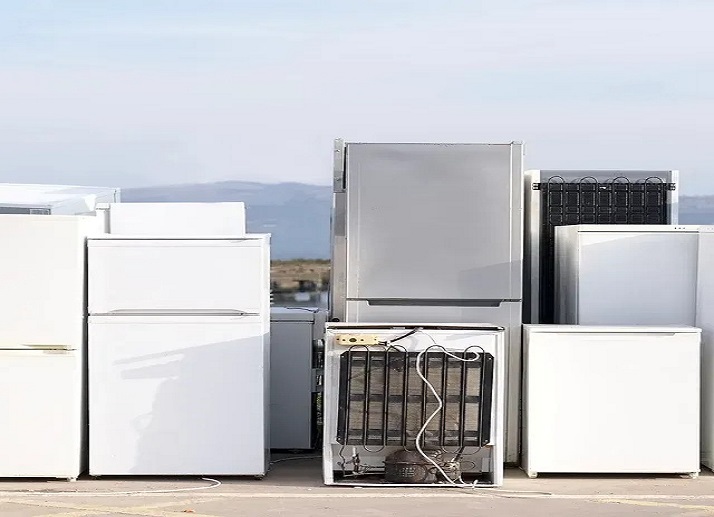
Some appliances also contain electronic parts, wiring, circuit boards, or batteries. These materials may require handling through appropriate recycling or disposal channels.
The exact process varies between providers and facilities. If responsible disposal is important to you, ask the company what happens to appliances after collection and whether recycling or donation options are available.
Can Commercial Appliances Be Removed?
Appliance removal can also apply to businesses, restaurants, offices, rental properties, and other commercial locations. Commercial equipment can include refrigerators, freezers, ovens, washing equipment, and other specialized machines.
Commercial appliances are often larger and heavier than household models. Because of this, the provider may need information about the equipment’s dimensions, quantity, condition, and location.
Commercial equipment may also be connected to gas, water, electrical, or ventilation systems. These connections may need to be addressed before the removal appointment.
Access can present another challenge. Loading docks, elevators, narrow corridors, stairways, and restricted parking areas can affect how equipment is moved.
If a business is replacing several appliances, provide a complete list when requesting service. This allows the provider to understand the size of the job and determine whether additional labor or equipment may be required.
Ask about accepted equipment, preparation requirements, pricing, and disposal procedures before confirming commercial appliance removal.

How Much Does Appliance Removal Cost?
The cost of appliance removal varies according to the type, size, weight, quantity, location, accessibility, labor, and disposal requirements.
A small microwave generally requires less handling than a large refrigerator or commercial freezer. Removing multiple appliances may also affect the total price.
Accessibility can influence the amount of work involved. An appliance near a ground-level entrance may be easier to remove than one located upstairs, in a basement, or behind a narrow passage.
Some companies use volume-based pricing, while others consider individual items, labor, transportation, and disposal requirements. Ask how pricing is calculated before scheduling.
Special handling may also affect the cost for appliances containing refrigerants, electronics, batteries, or other components.
When requesting an estimate, provide the appliance type, approximate size, quantity, condition, and location. Ask whether labor, loading, transportation, and disposal are included in the quoted price.
What Should You Ask Before Scheduling Appliance Removal?
Before scheduling service, confirm that the provider accepts the specific appliances you need removed. Different companies can have different policies regarding accepted items.
Ask whether the appliances need to be disconnected before pickup, particularly if they use gas, water, hardwired electricity, or refrigeration systems.
You should also ask what the quoted price includes. Confirm whether labor, loading, transportation, and disposal are included and whether additional charges may apply for oversized items or difficult access.
If recycling or donation is important, ask how the company handles appliances after collection. The provider may be able to explain whether suitable items are recycled, donated, or otherwise processed.
Tell the company about the appliance’s condition and location. An appliance that is damaged, partially dismantled, upstairs, or inside a difficult-to-access area may require additional preparation.
Conclusion
Appliances can be large, heavy, and difficult to dispose of through ordinary household waste methods. Depending on the provider, Junk Removal services may collect refrigerators, freezers, washers, dryers, ovens, dishwashers, microwaves, and other unwanted equipment.
Preparation may include emptying the appliance, clearing an access path, and arranging appropriate disconnection for gas, water, or hardwired connections. Refrigerators, freezers, commercial equipment, and appliances containing regulated components may require additional handling.
Before scheduling a pickup, confirm accepted items, preparation requirements, pricing, access conditions, and disposal procedures. For appliance hauling questions in Oak Park, contact Trex Express Hauling – Ventura at +1 805-320-1494 to discuss the items you need removed and available service options.