
Old furniture can take up valuable space in a home, apartment, office, or storage area. When a sofa, table, bed frame, dresser, or other large item is no longer needed, finding a convenient way to remove it can be challenging. Junk Removal services can provide a practical option for handling many types of unwanted furniture.
Whether a company accepts old furniture depends on the type, size, condition, and local disposal requirements. Some providers may also determine whether an item can be reused, donated, recycled, or disposed of through an appropriate facility. Understanding what furniture can be collected and how the process works can help you prepare for a pickup.
What Types of Old Furniture Can Be Removed?
Many hauling companies accept common household furniture such as sofas, couches, chairs, tables, desks, dressers, bookshelves, bed frames, cabinets, and entertainment centers. Large furniture can be especially difficult to move because of its size and weight.
The condition of the furniture does not always prevent removal. Worn, damaged, outdated, or unwanted pieces may still be accepted, although individual companies have different policies. It is helpful to describe the furniture clearly when requesting service.
Some furniture may contain glass, electrical components, or other materials that require special handling. Providing this information ahead of time allows the company to determine whether the item can be included in the pickup.
Truck capacity and the total amount of material can also affect a removal job. Customers should provide accurate information about the number and size of furniture pieces they want removed.
Can Large and Heavy Furniture Be Hauled Away?
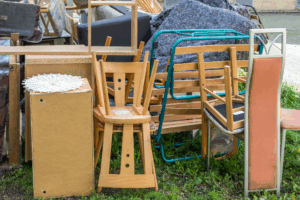
Large furniture is a common reason homeowners consider professional hauling services. Sofas, wardrobes, dining tables, cabinets, and entertainment centers can be difficult to carry through narrow hallways, staircases, and doorways.
The removal process can depend on the furniture’s size and location. Stairs, elevators, tight corners, and limited parking may affect how the crew accesses the items.
Furniture does not always need to be disassembled before pickup. Depending on the item and available space, a crew may be able to move it as it is. Some oversized pieces, however, may be easier to transport after being taken apart.
Customers should mention difficult access conditions when scheduling service. This gives the company a better understanding of the job and helps determine whether additional preparation is needed.
What Happens to Old Furniture After Removal?
The destination of old furniture depends on its condition, material, and available local facilities. Furniture that is still usable may have opportunities for reuse or donation, while damaged pieces may require recycling or disposal.
Wood, metal, and other materials may sometimes be separated for recycling. Upholstered furniture can require different handling because it may contain fabric, foam, wood, and metal.
Not every piece of furniture can be donated or recycled. Severely damaged or unsuitable items may need to be transported to an appropriate disposal facility.
If responsible disposal is important to you, ask the company about its handling process before scheduling service. This can help you understand whether collected furniture may be reused, recycled, or disposed of.
Should Furniture Be Prepared Before Pickup?
Preparation requirements vary between companies and furniture types. Before pickup, customers should remove personal belongings, loose objects, valuables, and other items stored inside furniture.
For example, drawers in dressers and cabinets should be emptied. Desks, entertainment centers, and storage furniture should also be checked carefully before removal.
Some large furniture may be easier to move if it is disassembled. However, customers should ask the hauling company whether they want the furniture taken apart before the scheduled appointment.
Clear access can also make the process easier. Removing obstacles from walkways and providing access to the furniture can help the crew move items safely.
If furniture is located in a basement, upstairs room, garage, or another difficult area, mention its location when arranging service. This allows the company to understand the property’s access conditions.
Can Junk Removal Services Take Office Furniture?
Businesses may also need to remove unwanted furniture when moving, renovating, or replacing office equipment. Common items include desks, chairs, filing cabinets, conference tables, shelving units, and other workplace furniture.
Commercial furniture can be larger and heavier than many household pieces. Businesses may also need several items removed at the same time, making transportation more difficult.
A hauling company may accept office furniture as part of its services. Before arranging a pickup, businesses should provide information about the types and quantities of furniture involved.
Employees should check desks, cabinets, and storage areas for documents and personal belongings before removal. Confidential records should be handled separately according to the organization’s document-management procedures.
Usable office furniture may also have opportunities for reuse or donation. Items that are no longer needed can be removed to help prepare the workspace for its next use.
How Does Furniture Removal Work?
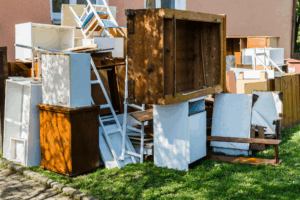
The process generally begins when a customer contacts a hauling company and explains what needs to be removed. Information about the number of items, their approximate size, location, and accessibility may be requested.
The company can then determine whether the furniture is accepted and explain the available service. Pricing may depend on factors such as the amount of furniture, labor, transportation, and disposal requirements.
During the appointment, the crew identifies the items included in the request and moves them from the property. The furniture is then loaded for transportation according to the company’s procedures.
Customers should separate unwanted furniture from belongings that should remain on the property. Important documents, valuables, electronics, and personal items should be removed beforehand.
After collection, furniture may be directed toward reuse, donation, recycling, or disposal depending on its condition and available facilities. Asking about these details in advance can make the process easier to understand.
What Furniture May Have Special Requirements?
Most ordinary furniture can be straightforward to handle, but certain items may require additional consideration. Furniture containing electronics, unusual materials, or other components may have different handling requirements.
Large commercial cabinets, built-in units, oversized furniture, and particularly heavy pieces may also require special arrangements. Their size, weight, or location can affect how they are removed.
Mattresses and upholstered furniture can have separate disposal requirements in some areas. Local regulations and facility policies may determine how these materials are handled.
If you are unsure whether a particular item can be collected, provide its description before scheduling service. Photos may also help the company understand its size and construction.
Because acceptance policies vary, it is better to confirm individual items before the appointment rather than assume everything will be accepted.
How to Choose a Furniture Removal Service
When arranging furniture removal, first confirm that the company accepts the specific items you want removed. Provide details about the number of pieces, approximate size, condition, and location.
Ask how pricing is determined before the appointment. Some providers may consider volume, labor, transportation, or other factors when determining the cost of service.
You should also ask whether furniture can be removed from inside the property. Mention stairs, basements, narrow entrances, elevators, or other access challenges beforehand.
If reuse or recycling matters to you, ask how collected furniture is handled after pickup. Disposal practices can vary, so understanding the company’s process can help you make an informed decision.
Finally, confirm the appointment details and make sure the furniture is ready for collection. Clear communication can help make the removal process more straightforward.
Conclusion
Old furniture can be difficult to move and dispose of, especially when pieces are large, heavy, or located in challenging areas. Junk Removal services may accept sofas, tables, chairs, desks, cabinets, bed frames, and other unwanted furniture, although acceptance policies vary between providers.
Before scheduling a pickup, describe the furniture accurately, remove personal belongings, and explain any access challenges. You can also ask how collected items are handled, including whether usable furniture may be reused or whether materials can be recycled.
For furniture removal needs in Oak Park, Trex Express Hauling – Ventura can be contacted at +1 805-320-1494 to discuss the items you need removed and available hauling services.